



Disabled children

Special Olympics is a global organization that serves athletes with intellectual disabilities working with hundreds of thousands of volunteers and coaches each year. Since the establishment of Special Olympics in 1968, the number of people with and without intellectual disabilities who are involved with the organization has been growing, but the unmet need to reach more people with intellectual disabilities is staggering.
Special Olympics provides year-round sports training and athletic competition in a variety of Olympic-type sports for children and adults with intellectual disabilities. Those activities give them continuing opportunities to develop physical fitness, demonstrate courage, experience joy and participate in a sharing of gifts, skills and friendship.
Special Olympics offers 30-plus Olympic-style individual and team sports that provide meaningful training and competition opportunities for persons with intellectual disabilities.
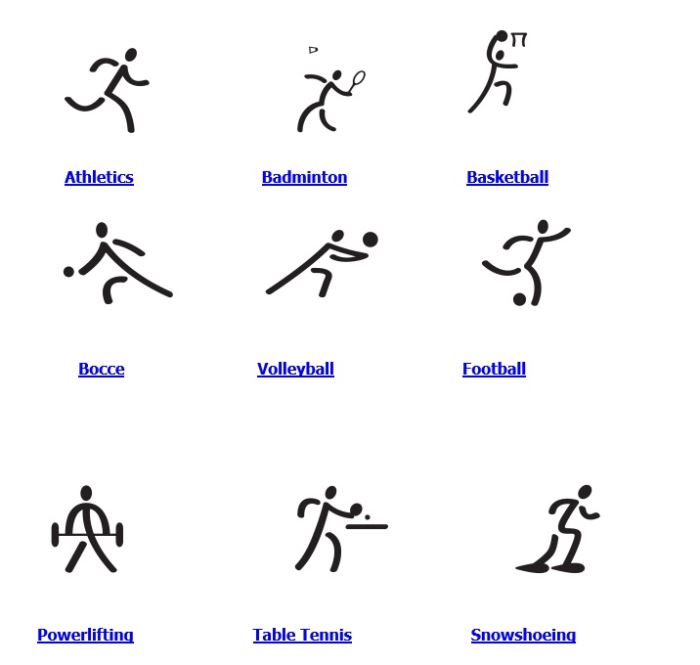
With more than four million athletes and Unified partners and one million coaches and volunteers in over 200 accredited Programs, Special Olympics delivers more than 30 Olympic-type sports and over 100,000 games and competitions every year. Special Olympics provides year-round sports training and athletic competition in a variety of Olympic-type sports for children and adults with intellectual disabilities. These events provide continuing opportunities to develop physical fitness, demonstrate courage, experience joy, and participate in a sharing of gifts, skills and friendship with the world.
Inclusive health means people with ID are able to take full advantage of the same health programs and services available to people who do not have ID. Currently, people with ID face significant challenges in accessing quality health care and obtaining opportunities that promote fitness and wellness, resulting in pronounced health disparities and reduced life expectancy. Special Olympics’ health programming focuses on improving the physical and social-emotional well-being of people with ID by increasing inclusion in health care, wellness and health systems for Special Olympics athletes and others with ID.